Vitamins play a foundational role in supporting women’s health across every stage of life. From maintaining energy levels and hormonal balance to supporting bone strength and immunity, understanding the 12 essential vitamins for women helps create a healthier and more resilient body.
Women experience unique biological changes related to menstruation, pregnancy, and menopause. These transitions affect nutrient absorption, storage, and utilization, making consistent vitamin intake essential for maintaining physical and mental well-being over time.
Rather than acting in isolation, vitamins work together to support metabolism, cellular repair, immune defense, and hormonal signaling. When even one vitamin is lacking, it can disrupt multiple systems at once.
Why Vitamins Are Essential for Women’s Health
Women’s nutritional needs differ due to hormonal cycles, bone density changes, and metabolic variations. Monthly menstrual cycles increase the demand for certain nutrients, while pregnancy and menopause introduce additional nutritional stress on the body.
Without adequate intake, vitamin deficiency in women can lead to fatigue, weakened immunity, brittle bones, mood changes, and reduced cognitive performance. These deficiencies often develop gradually, making them easy to overlook until symptoms become persistent.
Certain vitamins also support reproductive health, skin integrity, emotional balance, and long-term disease prevention. Maintaining sufficient levels helps the body adapt to stress, aging, and lifestyle changes more effectively.
Most Essential Vitamins For Women Over 40
Vitamin A – Immune and Vision Support
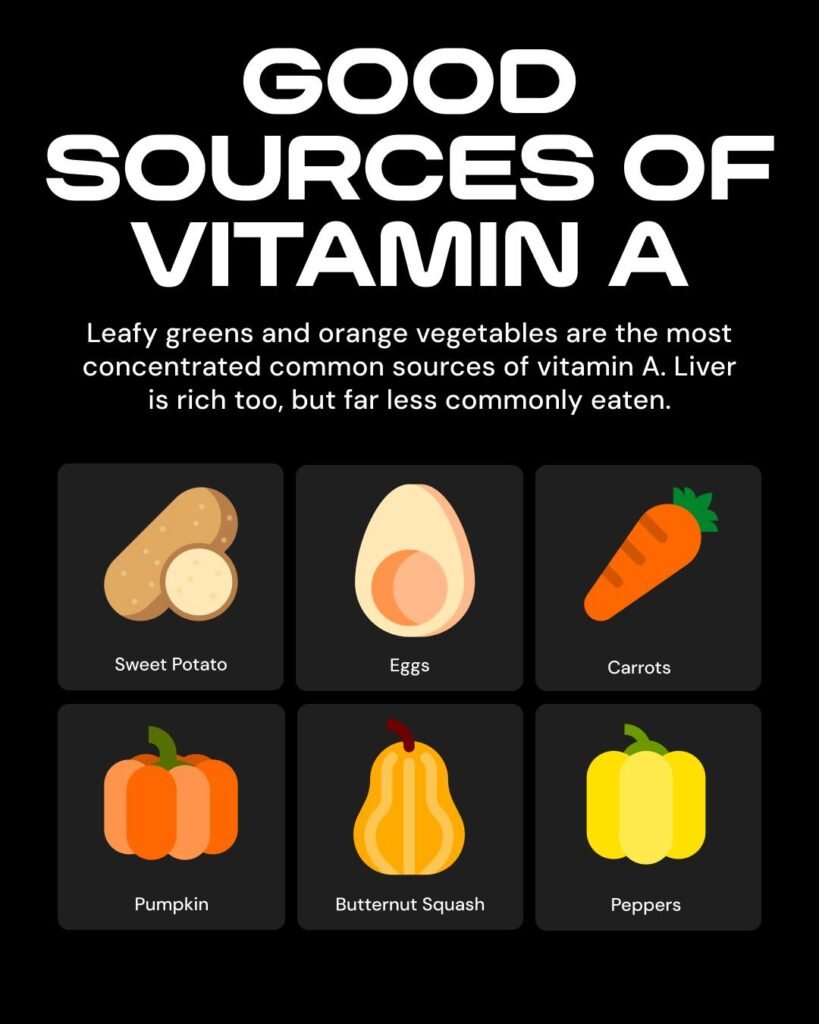
Vitamin A supports eye health, immune defense, and skin regeneration. It plays a role in maintaining the protective tissues of the eyes, respiratory tract, and digestive system.
Adequate vitamin A intake helps the immune system respond efficiently to infections and supports healthy skin cell turnover. It also contributes to vision, particularly in low-light conditions.
Vitamin B1 (Thiamine) – Energy Metabolism
Thiamine plays a critical role in converting carbohydrates into usable energy. It supports nerve signaling and muscle function, making it essential for daily physical and mental activity.
Low thiamine levels can contribute to tiredness, irritability, and difficulty concentrating. Consistent intake supports steady energy production throughout the day.
Vitamin B2 (Riboflavin) – Cellular Health
Riboflavin contributes to red blood cell production and helps the body release energy from fats and proteins. It also supports antioxidant activity, protecting cells from oxidative stress.
This vitamin is important for maintaining healthy skin, eyes, and nervous system function. It works closely with other B vitamins to support overall metabolic efficiency.
Vitamin B3 (Niacin) – Heart and Skin Health
Niacin supports cardiovascular function by assisting cholesterol metabolism and maintaining healthy blood circulation. It also plays a role in digestion and nervous system support.
Adequate niacin intake contributes to healthy skin appearance and helps the body efficiently convert nutrients into energy.
Vitamin B6 – Brain and Hormonal Function
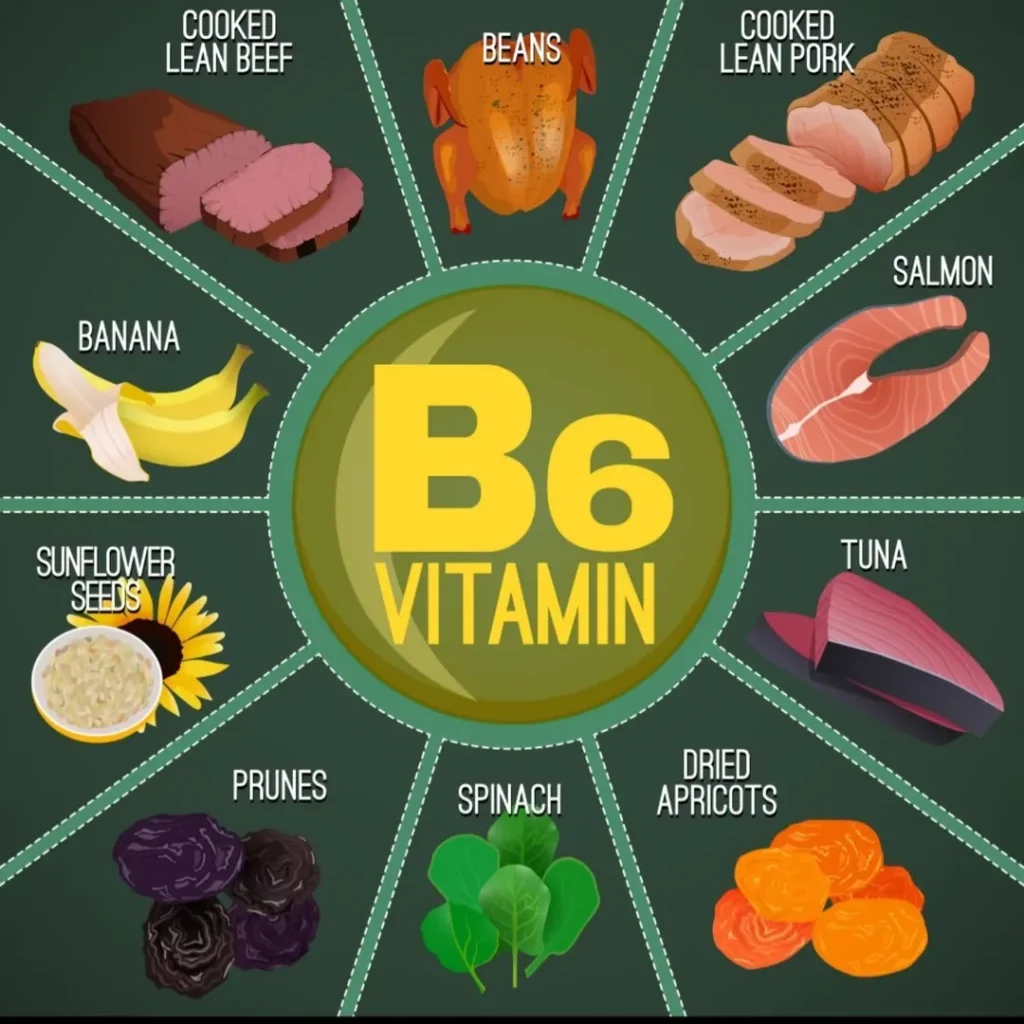
Vitamin B6 assists in neurotransmitter production, which affects mood, sleep, and cognitive function. It also supports hormonal regulation, making it particularly important during menstrual cycles.
This vitamin contributes to immune health and helps the body process proteins effectively, supporting muscle maintenance and repair.
Vitamin B9 (Folate) – Reproductive Health
Folate supports DNA synthesis and cell division, making it especially important for women of childbearing age. It also aids in red blood cell formation and supports cardiovascular health.
Adequate folate intake helps reduce the risk of certain developmental issues during pregnancy and supports overall cellular renewal.
Vitamin B12 – Nerve and Blood Cell Support
Vitamin B12 supports nerve function and helps produce red blood cells that transport oxygen throughout the body. It is essential for maintaining energy levels and mental clarity.
Low levels may contribute to fatigue, weakness, or neurological symptoms, especially in older women or those following restrictive diets.
Vitamin C – Immunity and Skin Health
Vitamin C strengthens the immune response by supporting white blood cell function. It also enhances iron absorption, which is particularly important for women with higher iron needs.
Additionally, vitamin C supports collagen production, helping maintain skin elasticity, wound healing, and connective tissue strength.
Vitamin D – Bone Strength and Mood Balance
Vitamin D supports calcium absorption, helping maintain strong bones and teeth. It also plays a role in immune regulation and emotional well-being.
Low vitamin D levels are common due to limited sun exposure and can contribute to bone loss and low mood if not addressed.
Vitamin E – Antioxidant Protection
Vitamin E acts as an antioxidant that protects cells from damage caused by free radicals. It supports skin health and helps maintain immune function.
This vitamin also contributes to cellular integrity, helping tissues withstand environmental stress.
Vitamin K – Blood Clotting and Bone Health
Vitamin K plays a key role in normal blood clotting and supports bone mineralization. It helps regulate calcium placement, ensuring it supports bone strength rather than accumulating in arteries.
Adequate intake contributes to long-term skeletal and cardiovascular health.
Biotin (Vitamin B7) – Hair, Skin, and Nails
Biotin supports keratin production, making it essential for healthy hair, nails, and skin. It also plays a role in energy metabolism and nutrient processing.
While deficiency is uncommon, low levels can lead to brittle nails, hair thinning, and skin concerns.
Daily Vitamin Intake for Women
Daily vitamin intake for women varies by age, lifestyle, and health conditions. Physical activity levels, stress exposure, and dietary patterns all influence individual needs.
Nutrient requirements often increase during pregnancy, breastfeeding, and later adulthood, when bone density decreases, and nutrient absorption becomes less efficient. Consistency matters more than short-term supplementation.
Best Natural Food Sources of Essential Vitamins
Plant-Based Sources
Leafy greens, citrus fruits, nuts, seeds, legumes, and whole grains provide many essential vitamins naturally. These foods also supply fiber and antioxidants that support digestion and metabolic health.
A varied plant-based diet helps maintain steady vitamin intake while supporting gut health.
Animal-Based Sources
Eggs, dairy, fish, lean meats, and fortified foods supply vitamins that are harder to obtain from plants alone, such as vitamin B12 and certain fat-soluble vitamins.
These sources often provide higher bioavailability, meaning the body can absorb and use the nutrients more efficiently.
Do Women Need Supplements or Multivitamins?
While a balanced diet remains the ideal source of nutrients, supplements can help fill gaps caused by dietary restrictions, absorption issues, or increased nutritional demands.
Awoman’ss multivitamin may be beneficial when tailored to individual needs and used to complement, not replace, whole foods. Professional guidance helps prevent unnecessary or excessive intake.
Vitamins for Women at Different Life Stages
Vitamins for Women Over 30
Nutrients supporting energy production, skin health, and stress management become increasingly important as metabolism begins to shift.
Vitamins for Women Over 40
Bone health and cardiovascular support take priority as hormonal changes affect bone density and heart health.
Vitamins for Women Over 50
Vitamin D, B12, and K become increasingly important for maintaining bone strength, nerve health, and cognitive function as absorption efficiency declines.
Signs of Vitamin Deficiency in Women
Common signs include persistent fatigue, hair thinning, brittle nails, frequent illness, slow wound healing, and mood changes. These symptoms often develop gradually and may be mistaken for stress or aging.
Recognizing early signs allows timely dietary adjustments and helps prevent long-term complications.
Final Thoughts on Essential Vitamins for Women
Understanding the essential vitamins for women empowers informed health decisions. Consistent intake through nutrient-rich foods, supported by supplementation when necessary, contributes to long-term vitality, resilience, and overall balance.
A proactive approach to vitamin intake supports not only present health but also healthier aging over time.