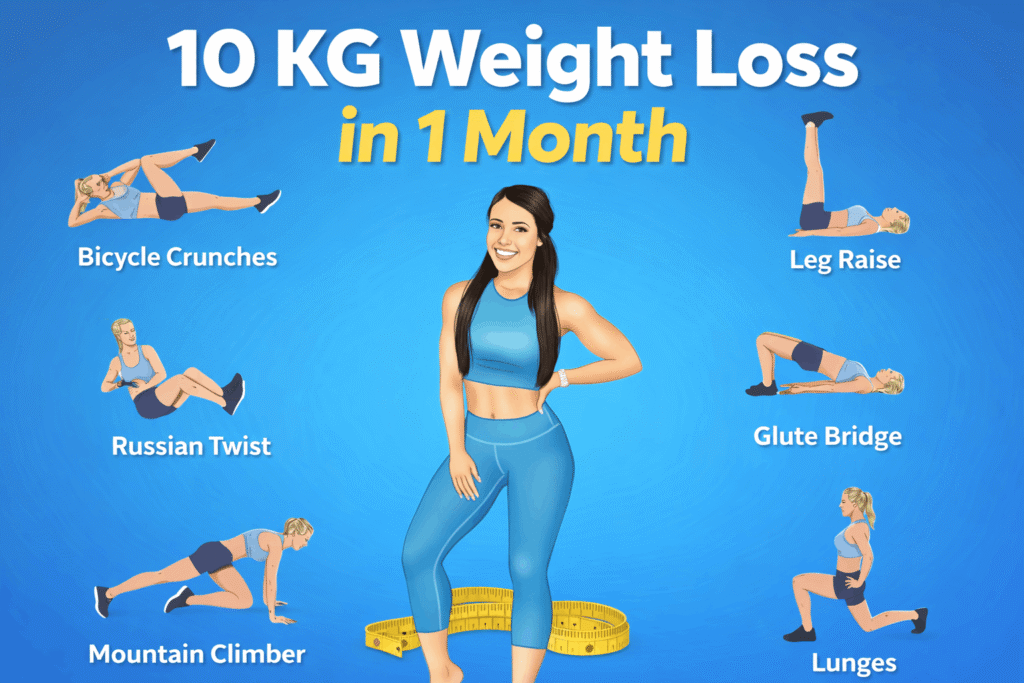
Losing 10 kg in 1 month is an ambitious goal, but with a structured approach combining diet, exercise, and lifestyle habits, it’s achievable for some individuals under careful guidance.
While fast weight loss is tempting, the key is balancing speed with safety and sustainability. Rapid reduction in weight can come from a combination of fat loss, water loss, and in some cases, muscle mass. Understanding how your body reacts is essential for success.
Is losing 10 kg in One Month Possible?
Many people aim for quick fixes, but losing 10 kg in 30 days requires strict discipline and careful planning. Rapid weight loss can be achieved primarily through calorie control, high activity, and strategic meal planning, but it may not be suitable for everyone.
Safe vs. Extreme Weight Loss
Experts recommend 0.5–1 kg per week as a safe weight loss range. Exceeding this increases the risk of nutrient deficiencies, fatigue, and metabolic slowdown. Rapid weight loss methods, like crash diets or excessive exercise, can trigger the body’s survival response, slowing metabolism and making weight regain more likely.
What Experts Recommend for Healthy Monthly Weight Loss
Nutritionists emphasize balanced nutrition, moderate calorie deficit, and gradual lifestyle adjustments. For most individuals, targeting 4–5 kg per month is more sustainable. However, for those with higher initial body weight, losing 10 kg is sometimes possible in the first month due to water and glycogen loss.
Factors That Affect How Fast You Lose Weight
- Starting body weight: A higher initial weight may lead to faster initial results.
- Age & gender: Younger individuals and men often lose weight faster due to higher basal metabolic rates.
- Activity level: More active people burn more calories, increasing the potential for fat loss.
- Metabolism & hormones: Thyroid function, insulin sensitivity, and stress hormones all influence weight changes.
The Science Behind Weight Loss
Understanding the mechanics of weight loss helps in planning strategies that are effective and sustainable.
What Is a Calorie Deficit and Why Does It Matters
A calorie deficit occurs when your body burns more calories than it consumes. To lose 1 kg of fat, roughly 7,700 calories need to be burned. Creating a daily deficit through a combination of diet and exercise is the safest method. Extreme calorie restriction can backfire, slowing metabolism and causing nutrient deficiencies.
Role of Metabolism in Fat Loss
Metabolism is the rate at which your body burns calories. Factors like muscle mass, age, and genetics influence metabolic rate. Building muscle through strength training increases resting calorie burn, making fat loss more efficient.
How Muscle Mass Impacts Weight Reduction
Maintaining or increasing lean muscle while losing weight ensures that most of the weight lost is fat, not muscle. Muscle preservation improves metabolic health and prevents sagging skin, which can be a concern during rapid weight loss.
Best Diet Strategies for Losing 10 kg in 1 Month
Nutrition is the cornerstone of rapid weight loss. Implementing a structured meal plan is crucial for achieving results.
Calorie Deficit Diet Plan
- Calculate your daily caloric needs based on age, weight, height, and activity level.
- Reduce intake by 500–1000 calories/day to promote safe weight loss.
- Focus on whole foods, lean proteins, vegetables, and complex carbs to meet nutritional needs.
Low-Carb and High-Protein Diets Explained
- Low-carb diets help regulate insulin and reduce fat storage.
- High-protein intake preserves muscle mass and increases satiety, helping control hunger during calorie deficits.
- Combine with healthy fats from nuts, olive oil, and seeds for balanced energy.
Intermittent Fasting for Weight Loss
- Popular methods include 16:8 (16 hours fasting, 8 hours eating) or 5:2 (5 normal days, 2 low-calorie days).
- Fasting helps naturally reduce calorie intake and promotes fat burning while maintaining muscle.
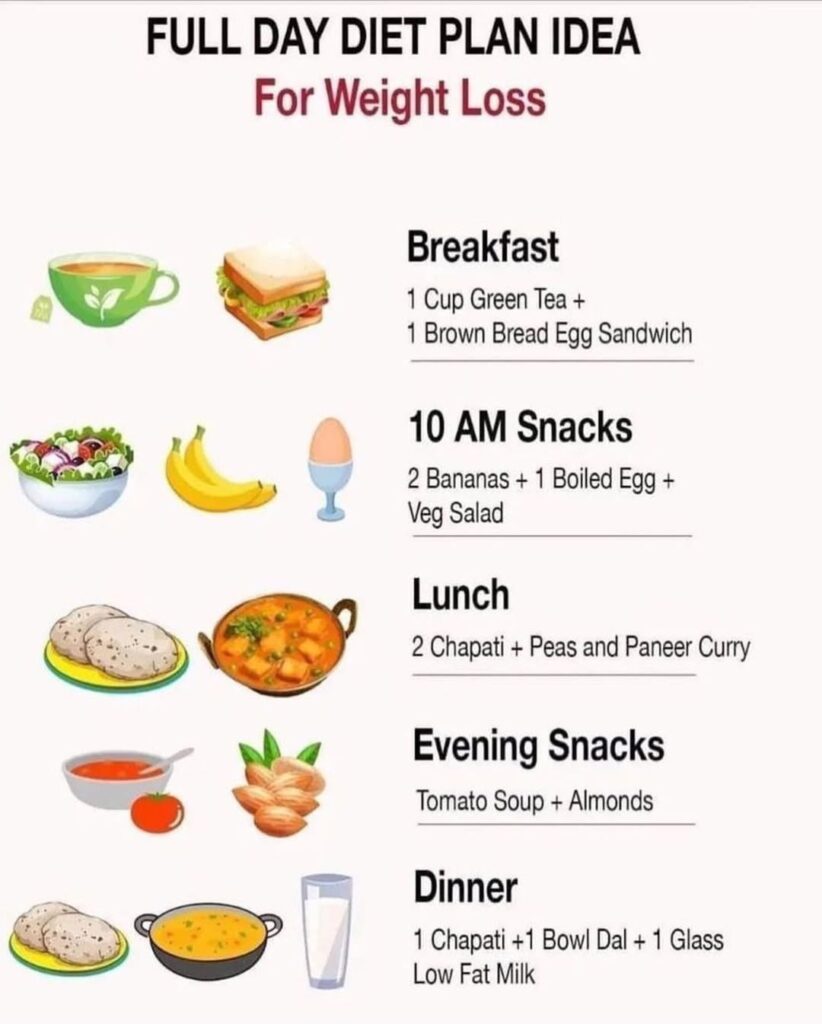
Sample Daily Eating Schedule
Breakfast: 2 eggs + spinach + 1 slice whole-grain toast
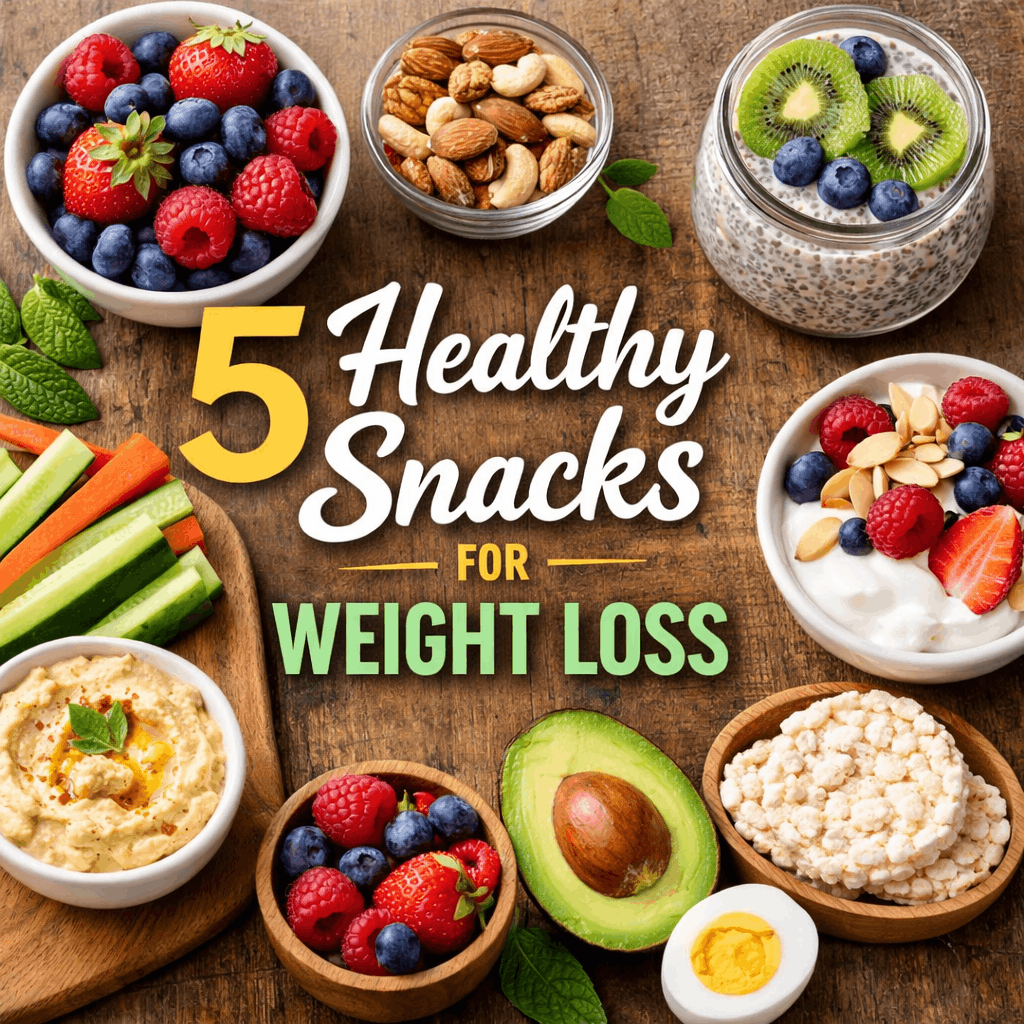
Snack: Greek yogurt + berries
Lunch: Grilled chicken salad with olive oil dressing
Snack: A handful of almonds
Dinner: Steamed fish with broccoli and cauliflower
Foods to Include
- Lean proteins: chicken, fish, tofu
- Vegetables: spinach, kale, broccoli, peppers
- Healthy fats: avocado, olive oil, nuts
- Whole grains: oats, quinoa, brown rice
Foods to Avoid
- Sugary drinks and desserts
- Fried and processed foods
- Refined carbohydrates: white bread, pastries
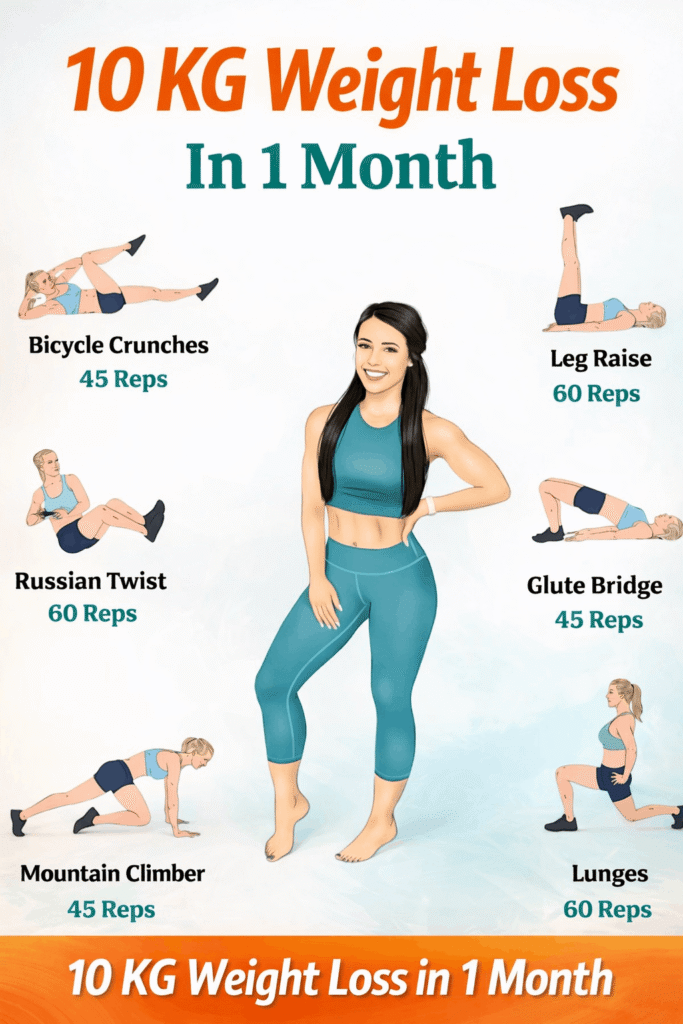
Exercise & Activity Plan to Maximize Fat Loss
Exercise complements diet by increasing calorie burn and preserving muscle.
Best Cardio Exercises for Fast Weight Loss
- High-Intensity Interval Training (HIIT): Short bursts of high effort followed by recovery. Burns more calories in less time.
- Steady-State Cardio: Brisk walking, running, or cycling improves endurance and calorie expenditure.
Strength Training to Preserve Muscle
- Focus on compound exercises like squats, lunges, push-ups, and deadlifts.
- 2–3 sessions per week help maintain metabolism during rapid weight loss.
Daily Movement & NEAT
- Increase non-exercise activity thermogenesis (NEAT) through walking, taking stairs, cleaning, and other daily activities.
- Even small movements contribute to extra calorie burn over time.
Lifestyle Habits That Support Rapid Weight Loss
Sleep and Weight Loss Connection
- Lack of sleep increases ghrelin (hunger hormone) and decreases leptin (satiety hormone), causing overeating.
- Aim for 7–8 hours of quality sleep nightly.
Stress Management
- Chronic stress raises cortisol, which promotes fat storage, particularly around the belly.
- Techniques: meditation, yoga, and deep breathing exercises.
Hydration & Appetite Control
- Drinking 2–3 liters of water daily helps reduce calorie intake and supports metabolism.
- Drinking water 30 minutes before meals can reduce portion sizes.
Tracking Your Progress
- Use apps or journals to monitor calories, macros, and physical activity.
- Regular weigh-ins and body measurements help assess fat loss versus water or muscle loss.
Common Mistakes to Avoid
Crash Dieting and Its Risks
- Avoid diets with extreme calorie restriction (<1000 calories/day) as they can slow metabolism, reduce energy, and cause muscle loss.
Overtraining Without Recovery
- Overtraining can lead to fatigue, injury, and hormonal imbalance.
- Include rest days for muscle repair and overall performance.
Ignoring Nutrition Quality
Even if calories are low, poor nutrient intake can cause deficiencies, low energy, and rebound weight gain.
Frequently Asked Questions
Can You Lose 10 kg Without Exercise?
Possible with strict diet control, but exercise enhances fat loss, preserves muscle, and improves overall health.
How Fast Should You Expect Results?
- Initial 3–5 kg may be water and glycogen loss. Sustainable fat loss occurs gradually after the first week.
Is Weight Loss Sustainable?
Long-term success requires consistent lifestyle changes, not temporary crash diets.
Do Detox Drinks Help?
Detox drinks may aid hydration and slightly boost metabolism, but are not a replacement for calorie control and exercise.