Mental health awareness has become a global priority as individuals increasingly recognize the impact of stress on daily life. From workplace pressure to personal responsibilities, modern challenges can affect emotional balance, productivity, and overall well-being.
Understanding how self-care supports stress management is essential for maintaining long-term psychological stability. When practiced consistently, self-care strengthens resilience, improves emotional regulation, and protects mental wellness.
What Is Mental Health and Why Does It Matter
Mental health refers to emotional, psychological, and social functioning. It influences how individuals think, feel, and behave in everyday situations. Strong mental health supports healthy relationships, decision-making, and the ability to cope with challenges.
Without proper attention, unmanaged stress can weaken psychological well-being and contribute to anxiety, burnout, or emotional exhaustion.
Why Mental Health Awareness Is More Important Than Ever
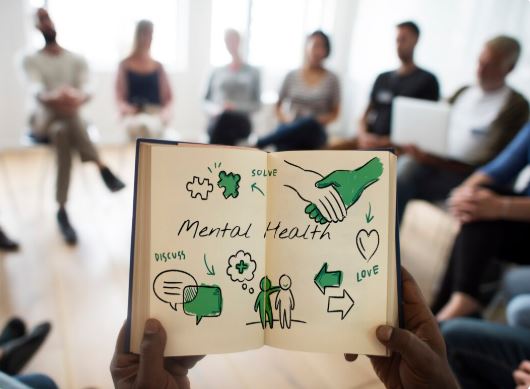
Mental health awareness encourages open conversations, reduces stigma, and promotes early intervention. As society becomes more fast-paced, recognizing early warning signs of stress helps individuals take preventive action rather than waiting for a crisis.
How Stress Impacts Psychological Well-Being
Stress is a natural response to pressure. Short-term stress can be motivating, but chronic stress disrupts sleep, concentration, and mood. Over time, it affects psychological well-being by increasing irritability, fatigue, and emotional imbalance.
Common Signs of Chronic Stress
- Constant worry or tension
- Difficulty sleeping
- Reduced motivation
- Physical symptoms like headaches
- Withdrawal from social interactions
Recognizing these signs is the first step toward effective stress management.
Why Stress Management Is Essential
Effective stress management prevents long-term damage to both emotional and physical health. It strengthens coping strategies and reduces the likelihood of harmful coping mechanisms such as avoidance or emotional suppression.
What Is Self-Care and Why Does It Matter?
Mental health self-care involves intentional actions that protect emotional stability and improve well-being. It is not indulgence; it is maintenance.
Healthy self-care supports energy levels, emotional balance, and resilience.
Myths About Self-Care
Many assume self-care requires expensive retreats or luxury experiences. In reality, simple self-care activities such as regular sleep, balanced nutrition, and mindful breathing are highly effective.
How Self-Care Supports Stress Management
Daily Self-Care Activities That Reduce Stress
Practical self-care activities include:
- Maintaining consistent sleep patterns
- Engaging in light exercise
- Journaling thoughts and emotions
- Spending time in nature
- Setting personal boundaries
These actions help regulate stress hormones and improve emotional regulation over time.
Mindfulness and Emotional Regulation
Mindfulness encourages present-moment awareness without judgment. Regular mindfulness practice improves emotional regulation by helping individuals respond calmly rather than react impulsively. This approach strengthens coping strategies and reduces anxiety during challenging situations.
Healthy Coping Strategies vs. Harmful Coping Mechanisms
Healthy coping strategies include problem-solving, seeking support, and practicing relaxation techniques. In contrast, unhealthy coping mechanisms such as excessive screen time, emotional eating, or isolation may temporarily numb stress but worsen it long-term. Developing positive coping mechanisms is central to effective stress management.
Building Long-Term Resilience Through Self-Care
The Power of Self-Compassion
Self-compassion involves treating oneself with understanding during setbacks. Rather than self-criticism, it encourages patience and kindness. Research consistently links self-compassion to improved well-being and stronger resilience building.
Resilience Building for Burnout Prevention
Resilience building helps individuals recover quickly from adversity. Regular self-care lowers the risk of burnout by ensuring recovery periods between demanding tasks. Simple practices like structured breaks and boundary setting reduce mental overload.
Creating a Sustainable Self-Care Routine
A consistent self-care routine increases accountability and habit formation. A sustainable routine may include:
- Morning breathing exercises
- Scheduled physical movement
- Weekly social connection
- Digital detox periods
Long-term consistency is more effective than occasional intense efforts.
Practical Stress Relief Techniques Anyone Can Start Today
Physical Practices
- Deep breathing exercises
- Walking outdoors
- Progressive muscle relaxation
These stress relief techniques calm the nervous system.
Mental and Emotional Practices
- Gratitude journaling
- Guided meditation
- Cognitive reframing
Such techniques enhance psychological well-being and emotional control.
Social and Environmental Support
Healthy relationships strengthen well-being. Seeking community support improves resilience and reinforces mental health awareness in everyday life.
When Professional Support Is Needed
While self-care is powerful, professional therapy may be necessary when stress becomes overwhelming. Persistent sadness, panic, or inability to function normally requires expert guidance. Self-care complements professional care but does not replace it.
Frequently Asked Questions
What are the best self-care activities for stress?
The most effective self-care activities include exercise, quality sleep, mindfulness practice, and maintaining supportive relationships.
How does mindfulness help with stress management?
Mindfulness reduces overthinking, improves emotional regulation, and enhances clarity during stressful situations.
Can self-care improve emotional regulation?
Yes. Regular self-care stabilizes mood patterns and strengthens emotional regulation skills.
Why is mental health awareness important in daily life?
Mental health awareness encourages proactive habits, reduces stigma, and supports healthier coping strategies.