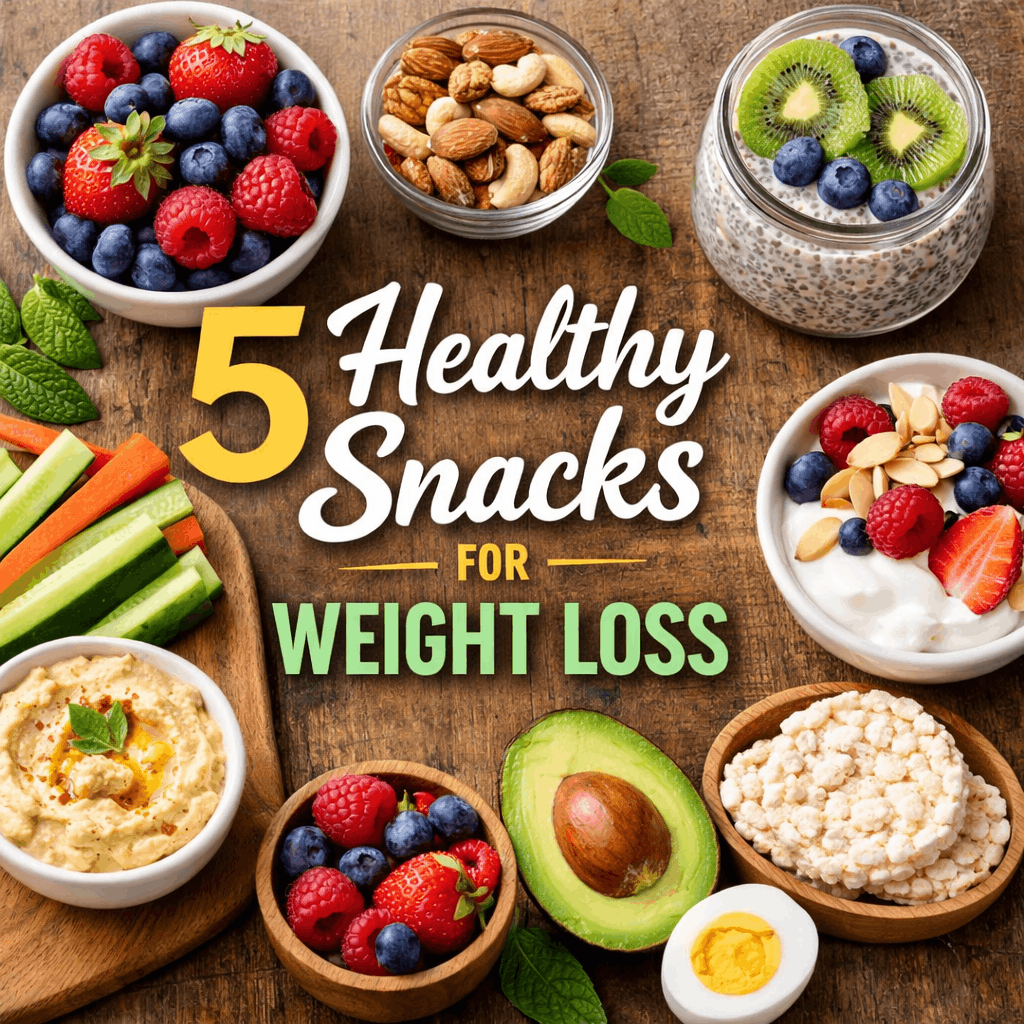
Healthy snacks for weight loss play an important role in managing hunger, maintaining energy levels, and supporting consistent calorie control throughout the day.
When chosen strategically, snacks help reduce overeating at meals and make a weight loss plan more sustainable. Instead of viewing snacks as obstacles, effective weight management treats them as nutritional tools that support appetite regulation and metabolic balance.
Why Choosing the Right Snacks Matters for Weight Loss
How Snacking Affects Metabolism and Appetite
Snacking influences hunger hormones and energy stability. Long gaps between meals can lead to excessive hunger, increasing the risk of overeating. Balanced snacks consumed at the right time help stabilize appetite and prevent sharp energy drops.
Snacks that combine protein, fiber, or healthy fats digest more slowly, which helps reduce cravings and supports better portion control later in the day.
Calories vs. Nutrient Density in Snacks: Low-calorie
Low-calorie snacks are helpful, but calorie reduction alone is not enough. Nutrient-dense snacks provide essential vitamins, minerals, and macronutrients while keeping total energy intake reasonable. This combination supports fat loss without compromising overall health.
What Makes a Snack Healthy for Weight Loss?
Protein, Fiber, and Satiety Explained: High-protein
High-protein snacks are particularly effective because protein promotes fullness and helps preserve lean muscle mass during calorie restriction. Fiber adds volume to meals and slows digestion, further increasing satiety.
Snacks that include both protein and fiber are especially useful for people who struggle with frequent hunger.
Portion Control and Energy Balance Portion-controlled
Portion-controlled snacks help maintain consistency. Even healthy snacks can slow progress if eaten in large amounts. Measuring portions or choosing pre-portioned options helps prevent unintentional calorie excess.
Avoiding Hidden Sugars and Refined Carbs
Many packaged snacks contain added sugars or refined carbohydrates, even when marketed as healthy. These ingredients can trigger blood sugar spikes followed by increased hunger, making weight loss more difficult.
High-Protein Snacks That Keep You Full
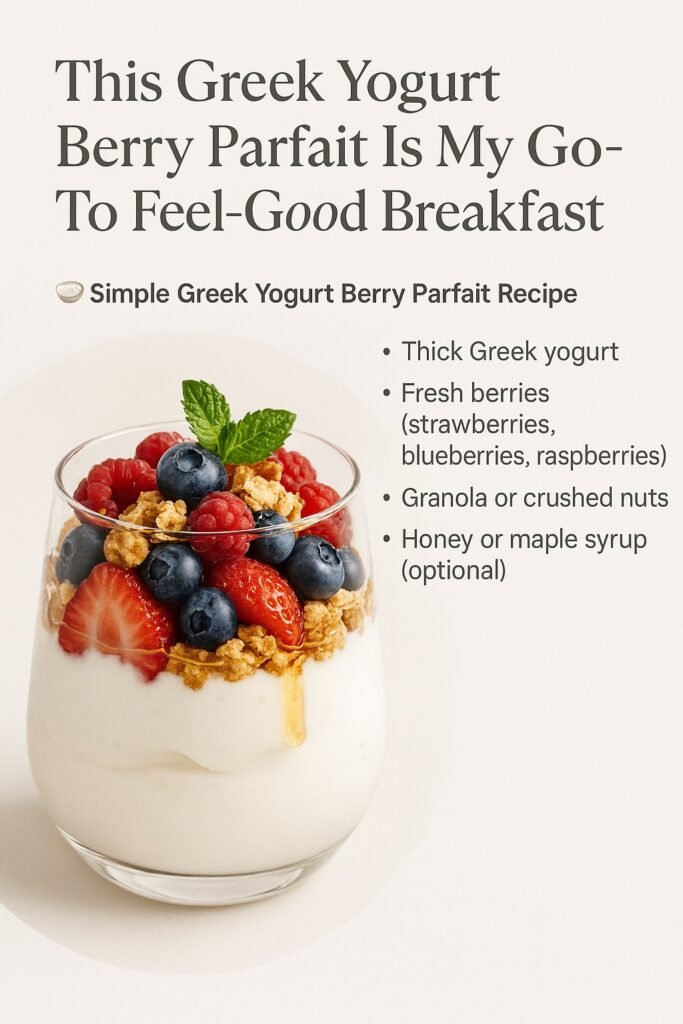
Greek Yogurt Berry Parfait
This protein-rich snack combines plain Greek yogurt with fresh berries to deliver a powerful balance of nutrition and flavor. Greek yogurt is high in protein and probiotics, which support muscle maintenance, digestion, and gut health, while its thick texture helps promote satiety.
Fresh berries such as blueberries, strawberries, or raspberries add natural sweetness along with fiber, antioxidants, and vitamins that help reduce inflammation and support overall wellness.
Together, these parfaits make a light breakfast or a midday snack that keeps energy levels stable without excessive calories.
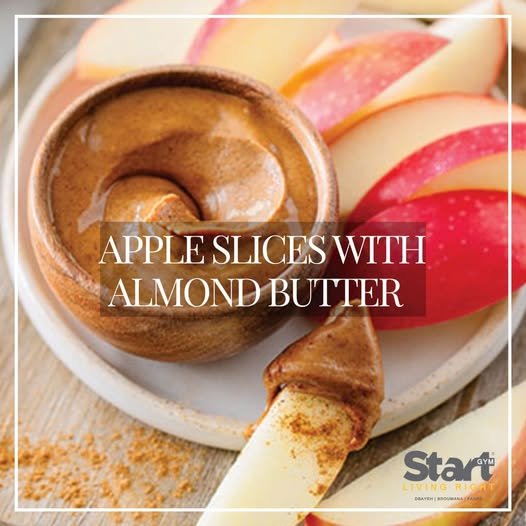
Apple Slices with Almond Butter
Apple slices paired with almond butter create a balanced snack that offers carbohydrates, fiber, and healthy fats in one simple combination. Apples provide natural sugars for quick energy along with soluble fiber that supports digestion and blood sugar regulation.
Almond butter adds healthy monounsaturated fats and a small amount of protein, which slows digestion and helps keep you feeling full longer. This snack is especially effective for preventing energy crashes and curbing sweet cravings in a nutrient-dense way.
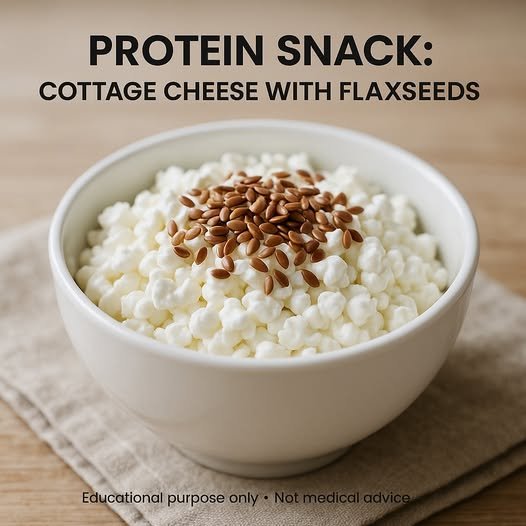
Cottage Cheese with Flaxseeds
Cottage cheese with flaxseeds is a low-calorie, high-protein snack that supports fullness and muscle health while providing essential nutrients. Cottage cheese is rich in casein protein, which digests slowly and helps maintain satiety for extended periods.
Flaxseeds add fiber, omega-3 fatty acids, and plant compounds that support heart health and digestion. This combination is particularly beneficial as a post-workout or evening snack when sustained protein intake is important.
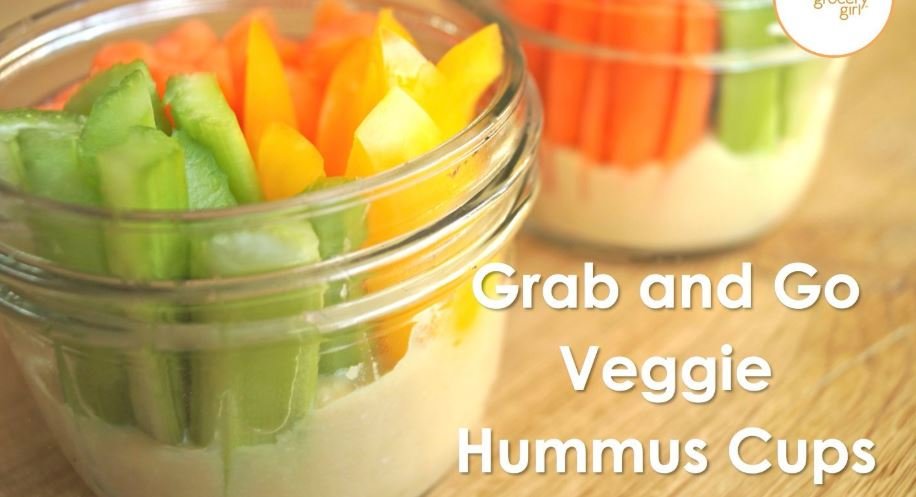
Hummus Veggie Cups
Hummus veggie cups are a low-calorie, nutrient-dense snack that pairs creamy hummus with fresh raw vegetables such as carrots, cucumbers, bell peppers, or celery.
Hummus provides plant-based protein and healthy fats from chickpeas and olive oil, while the vegetables contribute fiber, vitamins, and hydration.
This snack supports digestion, helps manage hunger, and adds variety to a balanced diet, making it an excellent option for those seeking wholesome, plant-forward nutrition.
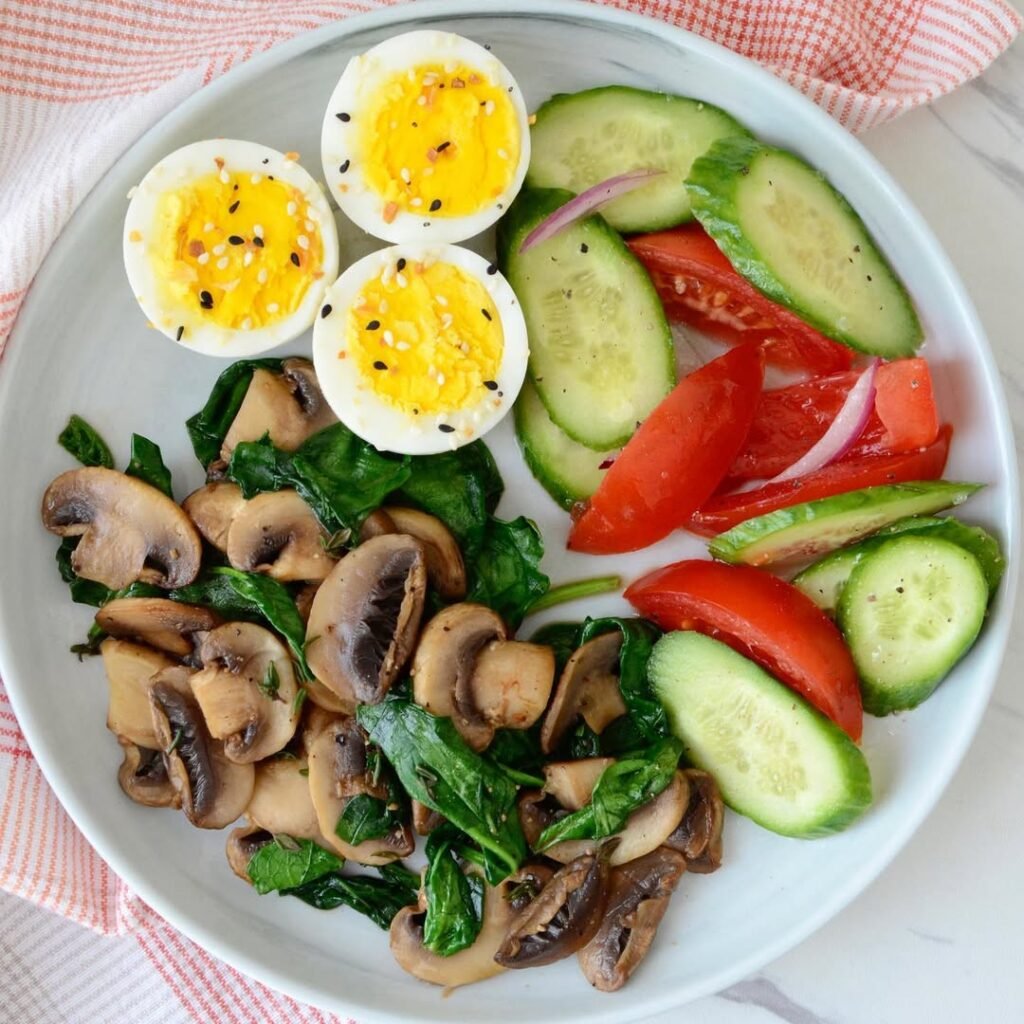
Hard-Boiled Eggs with Sea Salt
Hard-boiled eggs with a sprinkle of sea salt offer a simple, portion-controlled snack that delivers complete, high-quality protein. Eggs contain all essential amino acids, making them highly effective for muscle repair, satiety, and sustained energy.
The natural fats in eggs help slow digestion, keeping hunger at bay for longer periods. Light seasoning with sea salt enhances flavor without adding unnecessary calories, making this snack both practical and nutritionally efficient.
Low-Calorie Snacks for Daily Cravings
Low-calorie snacks allow more flexibility without exceeding daily energy targets. Good options focus on volume and fiber rather than added sugars.
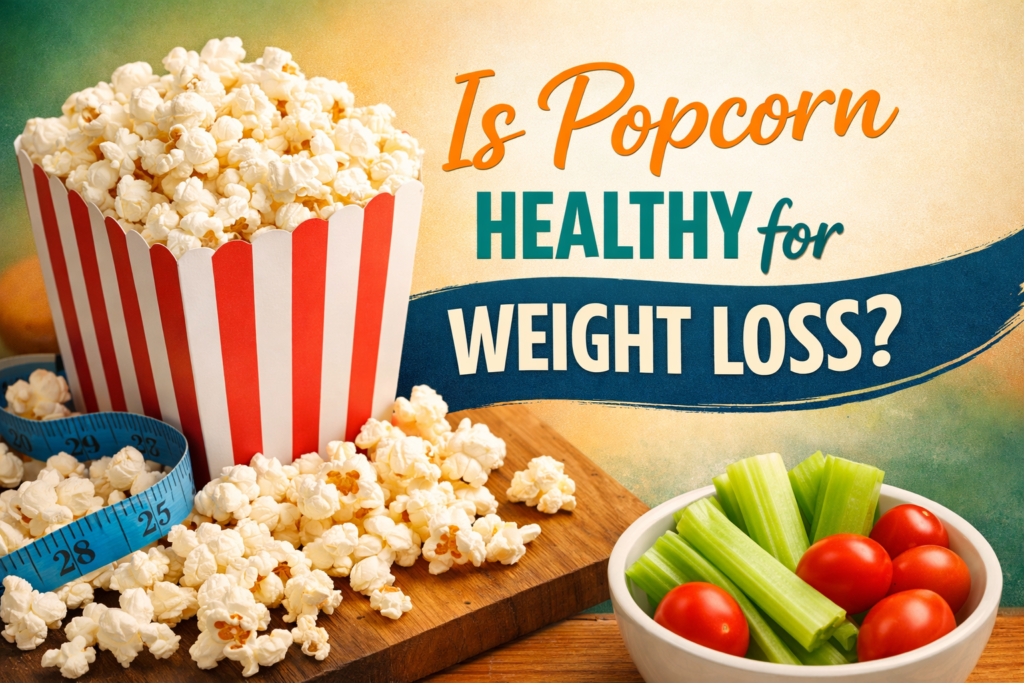
Examples include raw vegetables, air-popped popcorn, fresh berries, and broth-based soups. These snacks help manage cravings while keeping calorie intake low.
Low-Carb Snacks for Blood Sugar Control
Low-carb snacks are useful for people who experience energy crashes or strong sugar cravings. By limiting refined carbohydrates, these snacks help stabilize blood sugar levels. Examples include nuts, seeds, cheese portions, turkey slices, and vegetables paired with healthy fats or protein.
Filling Snacks Between Meals
Snacks between meals should be structured to prevent overeating at the next meal. Balanced combinations work best, such as:
- Apple Slices with Almond Butter: Provides fiber, natural carbohydrates, and healthy fats for sustained energy.
- Hummus Veggie Cups: Combines plant-based protein with fiber-rich vegetables, making it both filling and nutrient-dense.
These filling snacks support appetite control without excessive calories.
Healthy Snack Ideas for Different Situations
Snacks Between Meals
Healthy snack ideas for midday hunger include yogurt with fruit, protein smoothies, whole-grain crackers with tuna, or vegetables paired with hummus. These options support energy levels during long workdays.
Late-night Snacks for Weight Loss
Late-night snacks for weight loss should be light and protein-focused. Cottage cheese, a small protein shake, or yogurt can help reduce nighttime hunger without significantly increasing calorie intake.
On-the-Go and Work-Friendly Options
Busy schedules require portable healthy snacks. Good options include hard-boiled eggs, portioned nuts, protein bars with minimal sugar, and fruit paired with a protein source.
How Often Should Someone Snack While Trying to Lose Weight?
Ideal Snacking Frequency
There is no universal rule for snacking frequency. Some people do well with one or two snacks per day, while others prefer structured meals without snacks. The key is matching snacking habits to hunger cues and lifestyle.
Matching Snacks With a Weight Loss Diet
Weight loss diet snacks should align with overall calorie goals and macronutrient needs. Planned snacks are more effective than reactive eating driven by hunger or stress.
Common Snacking Mistakes That Slow Weight Loss
Overeating “Healthy” Snacks
Healthy snacks can still contribute excess calories if portions are ignored. Foods like nuts, nut butters, and cheese are nutritious but calorie-dense, making portion awareness essential.
Ignoring Portion-Controlled Snacks
Portion-controlled snacks help reduce decision fatigue and support consistency, especially for beginners. They simplify tracking and improve long-term adherence.
Frequently Asked Questions About Healthy Snacks
Are snacks necessary for weight loss?
Snacks are not mandatory. They can support appetite control, but weight loss is also possible with balanced meals alone.
What are the best snacks for weight loss?
The best snacks for weight loss combine protein, fiber, minimal added sugar, and appropriate portion sizes.
Can healthy snacks replace meals?
Healthy snacks are designed to complement meals, not replace them. Meals provide broader nutrient coverage and greater satiety.