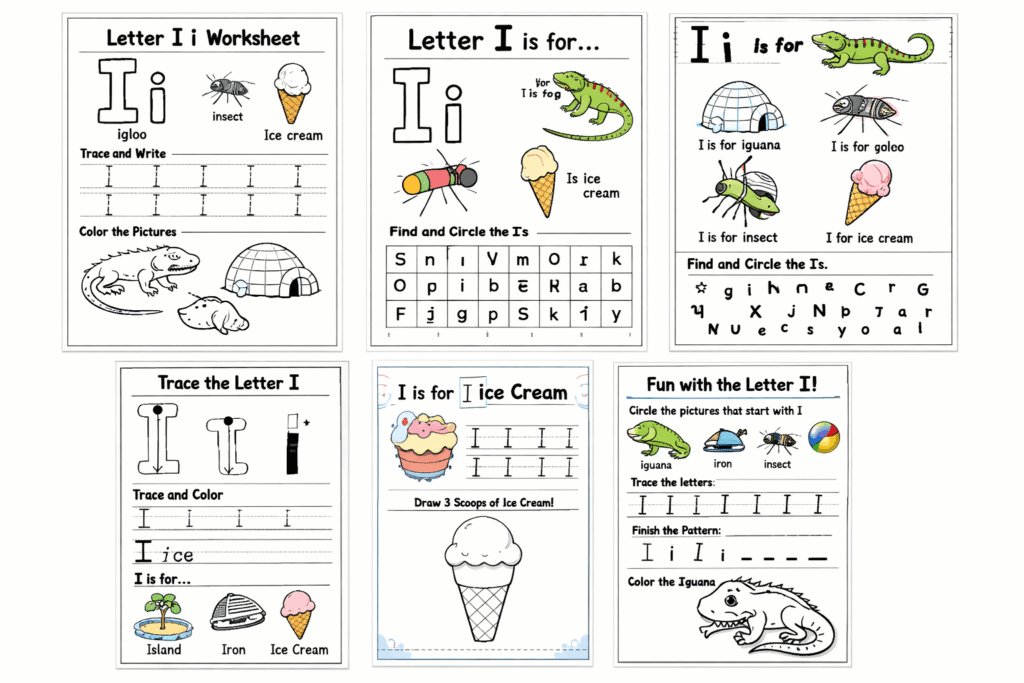
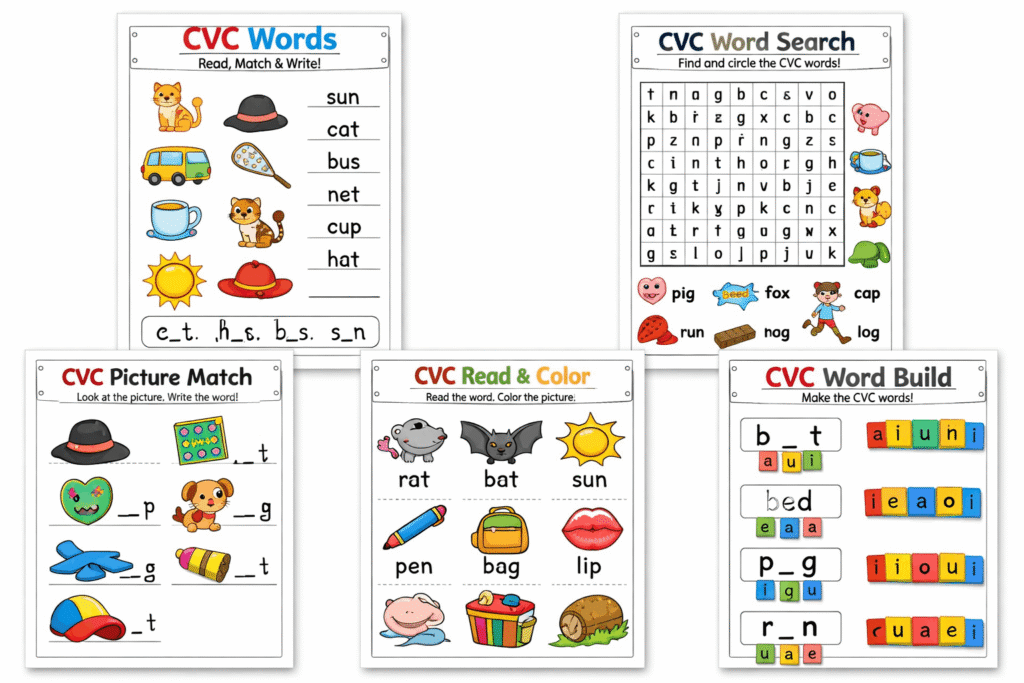
Same and different worksheets for kids are foundational learning tools designed to help young children recognize similarities and differences between objects, shapes, images, and patterns.
These worksheets support early cognitive development while making learning engaging and accessible for preschool and early elementary learners.
By practicing comparison skills through structured activities, children begin building the mental framework needed for math, reading comprehension, and logical thinking.
What Are Same and Different Worksheets?
Same and different worksheets are educational resources that ask children to compare two or more items and decide whether they are alike or not. The activities may involve pictures, shapes, colors, sizes, or everyday objects.
Unlike traditional worksheets that focus only on numbers or letters, these worksheets strengthen visual processing and analytical thinking, which are essential for early childhood education.
Why Teaching Same and Different Is Important for Early Learning
Cognitive Development Benefits
Comparison activities activate higher-order thinking skills. When children analyze objects to determine similarities or differences, they practice observation, categorization, and decision-making. These skills form the base of problem-solving abilities used later in academics.
Visual Discrimination Skills
Visual discrimination worksheets help children notice small details, such as shape orientation, size variation, or pattern differences. This skill is critical for reading readiness, as it helps distinguish between similar letters and numbers.
Foundation for Math and Logic
Same vs different worksheets introduce logical reasoning. Concepts such as sorting, grouping, and classifying are early math skills that rely heavily on understanding comparisons.
Same and Different Worksheets by Age Group
Same and Different Worksheets for Preschool
Same and different worksheets for preschool typically focus on bold images, familiar objects, and simple visual contrasts. Activities often involve matching identical pictures or spotting one item that does not belong.
These worksheets are ideal for ages 3 to 4 and support early learning comparison worksheets that align with preschool curricula.
Same and Different Worksheets for Kindergarten
Same and different worksheets for kindergarten introduce more detailed comparisons. Children may compare multiple attributes such as color, size, and shape at once. These activities help strengthen attention span and logical sequencing.
Types of Same and Different Worksheets
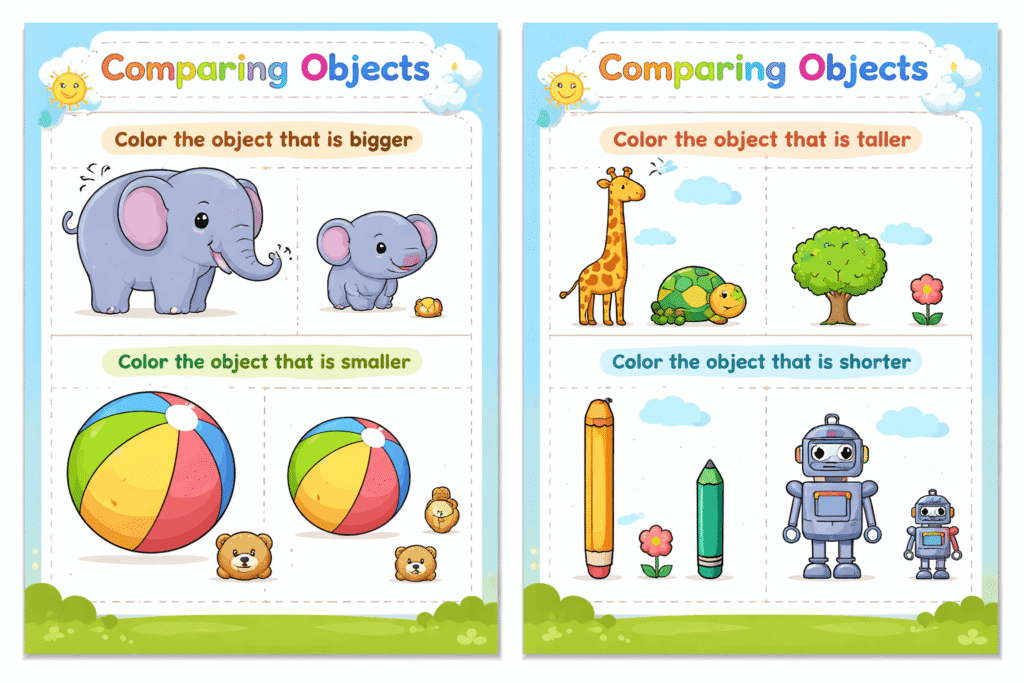
Comparing Objects Worksheets
Comparing objects worksheets encourage children to analyze real-world items, such as animals, toys, or classroom tools. These worksheets help bridge abstract thinking with everyday experiences.
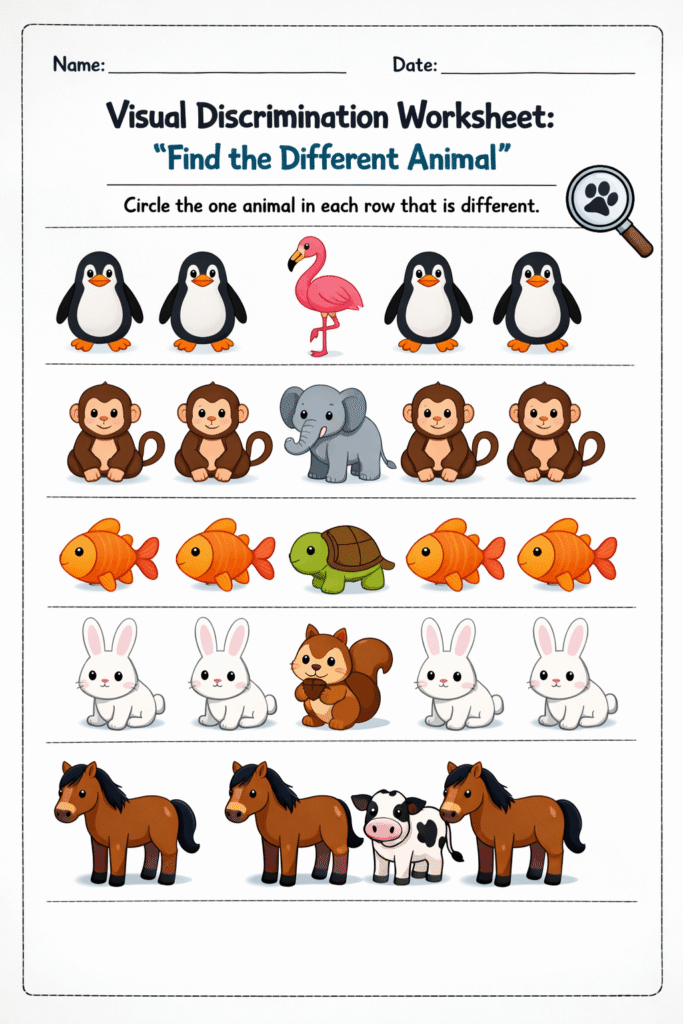
Visual Discrimination Worksheets
Visual discrimination worksheets focus on fine visual details. Children may be asked to identify identical images or find small differences between similar pictures.
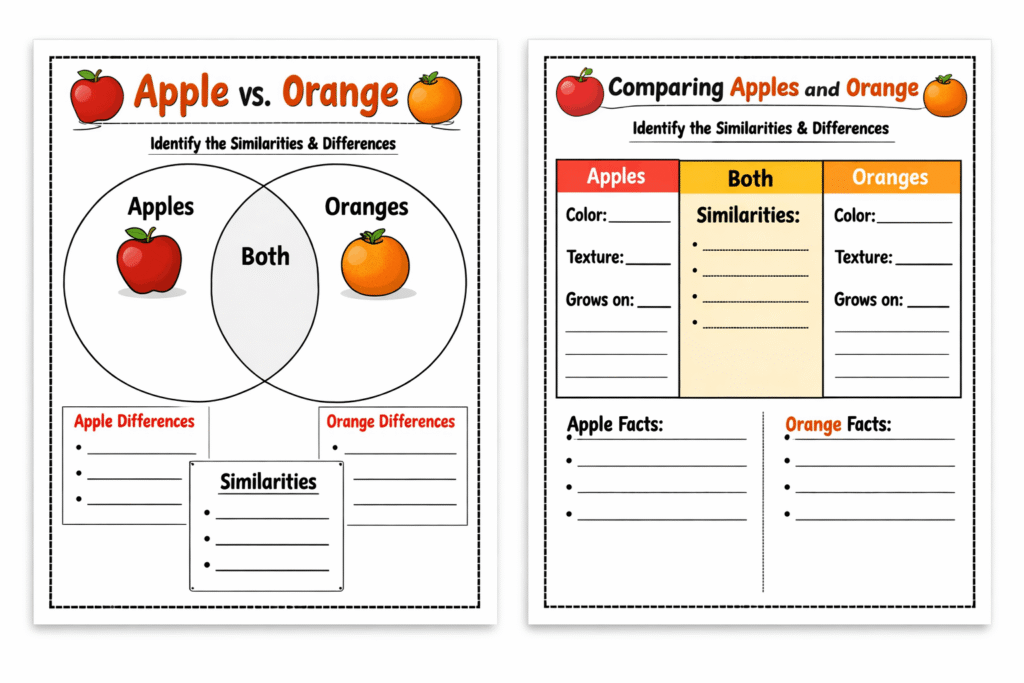
Identify Similarities and Differences Worksheets
Identify similarities and differences worksheets promote verbal reasoning alongside visual skills. Children may explain why items are the same or different, reinforcing language development.
How Parents and Teachers Can Use These Worksheets Effectively
At-Home Learning Tips
Parents can use the same and different worksheets as part of daily learning routines. Short, focused sessions help maintain engagement while reinforcing cognitive skills worksheets for kids.
Classroom Activities and Group Work
Teachers often integrate early learning comparison worksheets into small group activities. Group discussions encourage children to explain their reasoning, strengthening comprehension and communication skills.
Common Questions About Same and Different Worksheets
At What Age Should Kids Learn Same and Different?
Most children begin learning comparison skills between the ages of 2 and 3. Structured worksheets are typically introduced during preschool and continue through kindergarten.
Are Same and Different Worksheets Part of Math or Cognitive Skills?
These worksheets support both areas. They build early math concepts while also enhancing general cognitive development and logical thinking.
How Often Should Children Practice Comparison Activities?
Short, consistent practice sessions are more effective than long lessons. Two to three times per week is usually sufficient for skill reinforcement.
How Same and Different Worksheets Support Long-Term Learning Skills
By mastering comparison skills early, children develop stronger attention, reasoning, and analytical abilities. These skills directly support reading comprehension, math problem-solving, and scientific observation in later grades. Same and different worksheets for kids are not just early activities; they are foundational tools that contribute to lifelong learning success.