Trying to lose weight often feels overwhelming, especially when advice from different sources directly contradicts itself. Weight loss myths spread quickly because they promise fast results, simple rules, or effortless solutions. Unfortunately, many of these ideas create confusion and slow progress rather than supporting healthy weight loss.
Understanding what actually works starts with identifying what does not. The following sections break down seven common weight loss myths and explain why letting go of them leads to better, more sustainable results.
Why Weight Loss Myths Are So Common
Weight loss is a highly emotional topic, and frustration makes people vulnerable to oversimplified advice. Social media, celebrity endorsements, and diet culture often promote extreme methods without scientific context.
Many common weight loss myths survive because they contain partial truths. When these ideas are repeated without explanation, they turn into rigid rules that fail most people over time.
Eating Less Is Always Better for Weight Loss
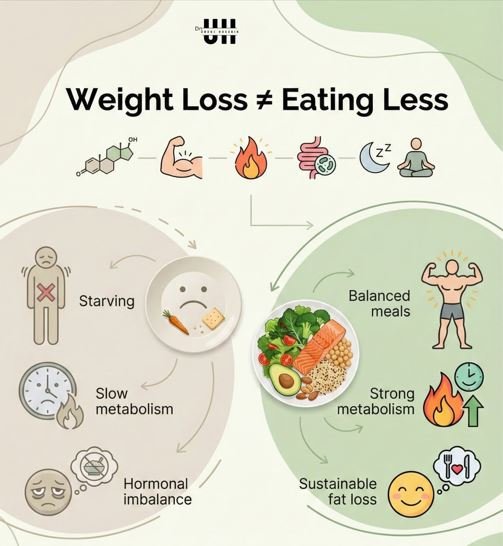
Severely cutting calories may seem logical, but extreme restriction often produces the opposite result. When energy intake drops too low, the body adapts by slowing processes related to energy use.
A calorie deficit is necessary for weight loss, but healthy weight loss depends on balance. Adequate protein, fiber, and essential nutrients support muscle mass, hormone regulation, and long-term adherence.
Eating too little frequently leads to fatigue, intense cravings, and eventual overeating, which makes consistency harder to maintain.
Carbs Automatically Cause Weight Gain
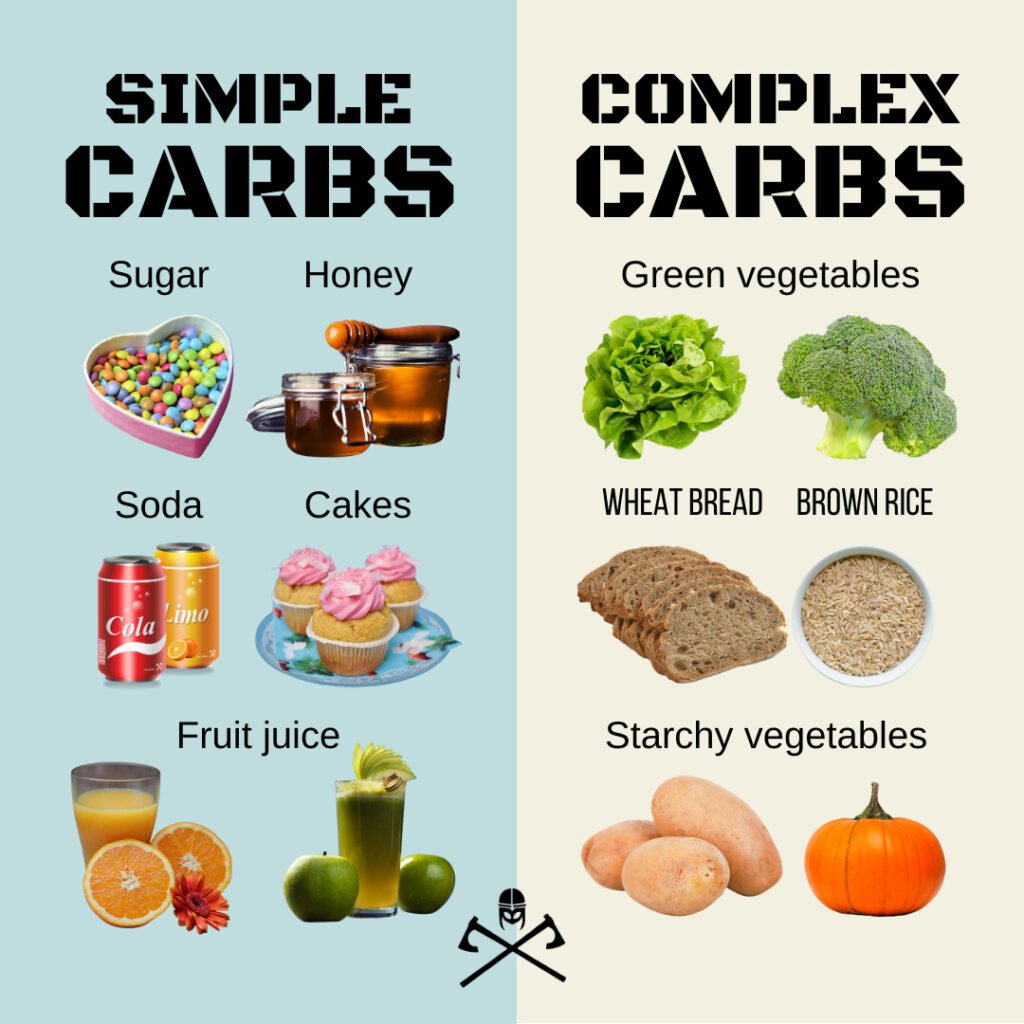
Carbohydrates are often blamed for stalled progress, yet carbs and weight loss are not inherently incompatible. The body uses carbohydrates as a primary energy source, especially during physical activity.
Highly processed carbohydrates can contribute to overeating, but whole-food sources such as fruits, vegetables, and whole grains support digestion and fullness. Eliminating all carbohydrates often reduces dietary variety and sustainability.
Weight change depends more on overall intake patterns than on removing one macronutrient group.
Exercise Alone Is Enough to Lose Weight
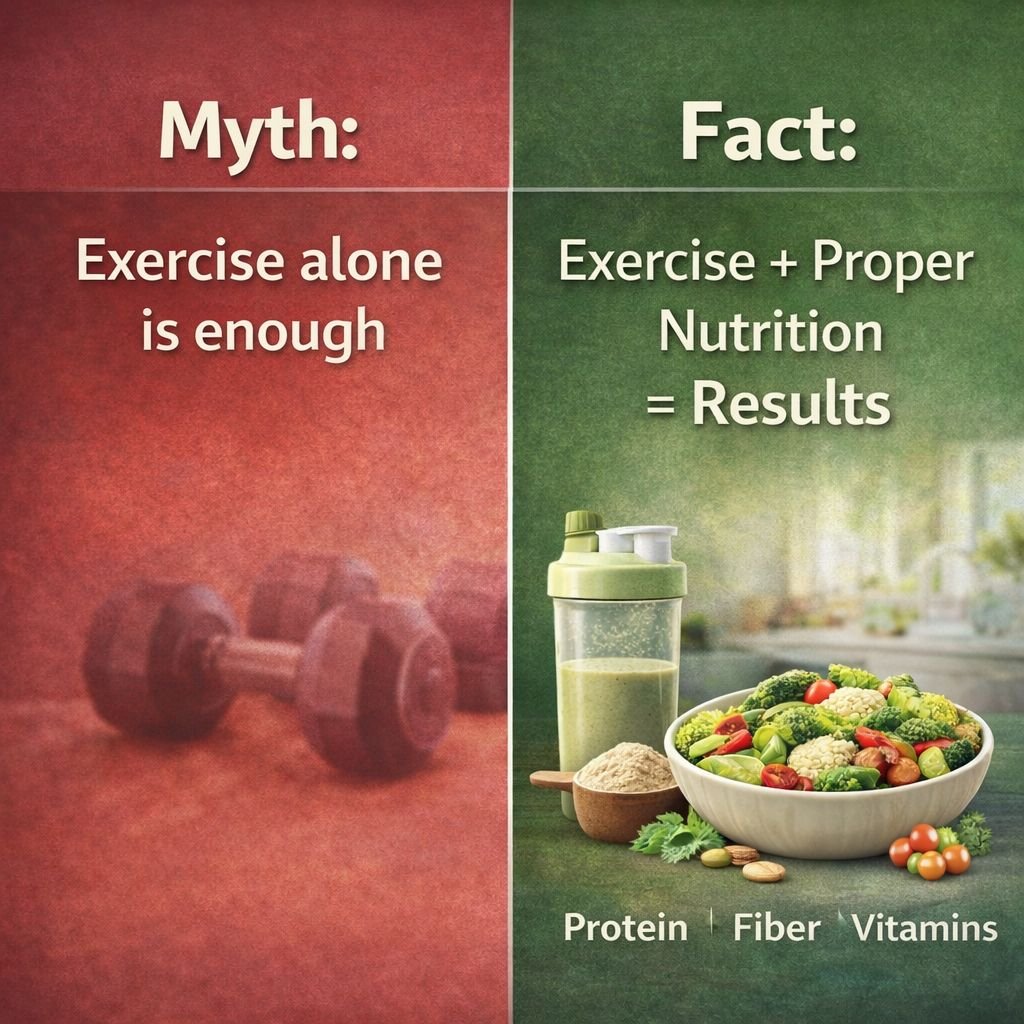
Exercise offers powerful health benefits, but exercise vs diet for weight loss is not an equal comparison. Physical activity supports cardiovascular health, muscle retention, and mental well-being, yet food choices remain the main driver of energy balance.
It is easier to consume excess calories than to burn them through exercise alone. Weight loss becomes more achievable when movement and nutrition work together rather than being treated as substitutes.
Skipping Meals Speeds Up Fat Burning
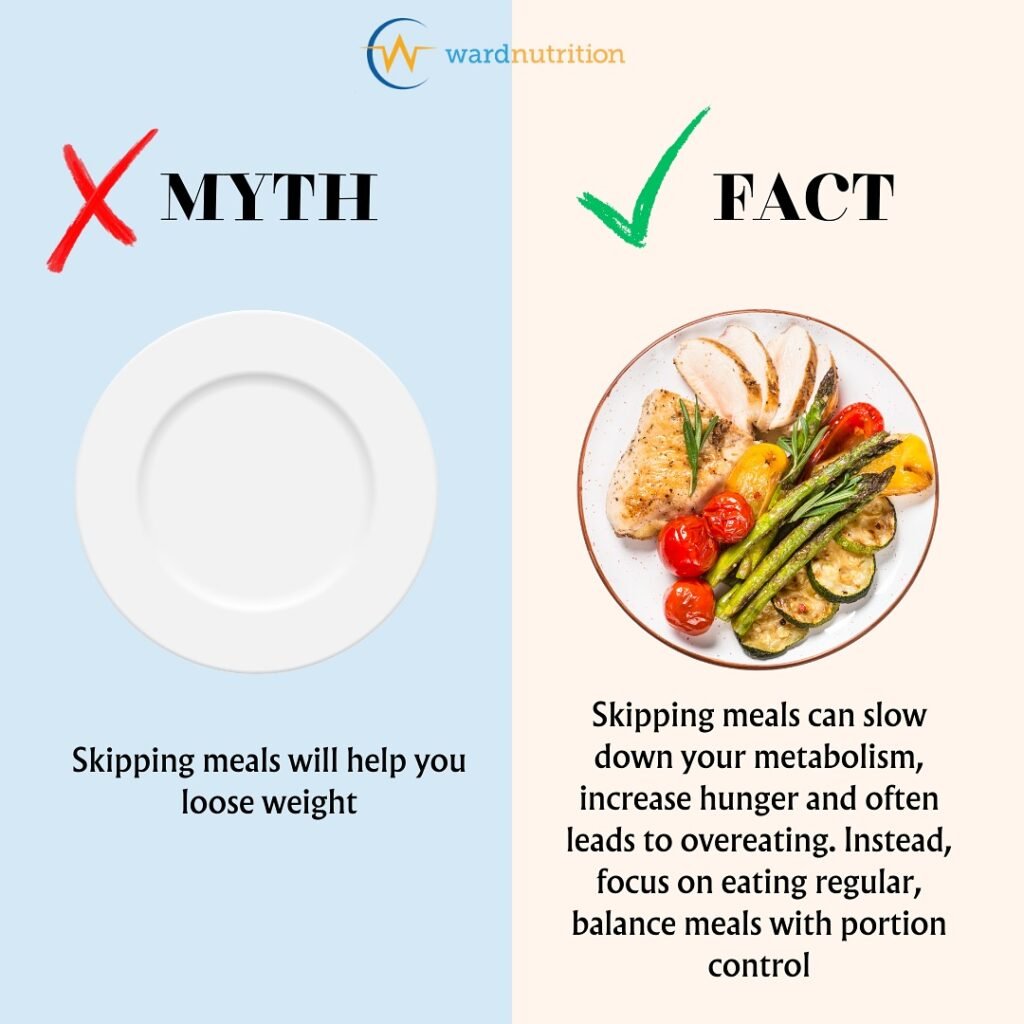
Skipping meals to lose weight is often associated with faster fat burning, but this belief overlooks how the body responds to prolonged hunger. Long gaps between meals can disrupt blood sugar control and increase hunger hormones.
When hunger intensifies, people are more likely to overeat later in the day. Regular, balanced meals help stabilize appetite and support better portion control over time.
Eating Late at Night Causes Weight Gain
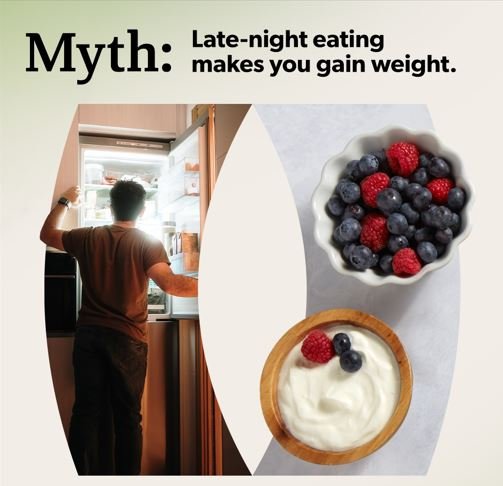
The idea that eating late automatically causes fat gain is misleading. Research shows that whether eating late causes weight gain depends more on total intake than on the clock.
Late-night eating often becomes problematic when it involves mindless snacking or high-calorie foods. Meal timing matters less than consistency, food quality, and overall calorie balance across the day.
Fast Weight Loss Is the Best Weight Loss
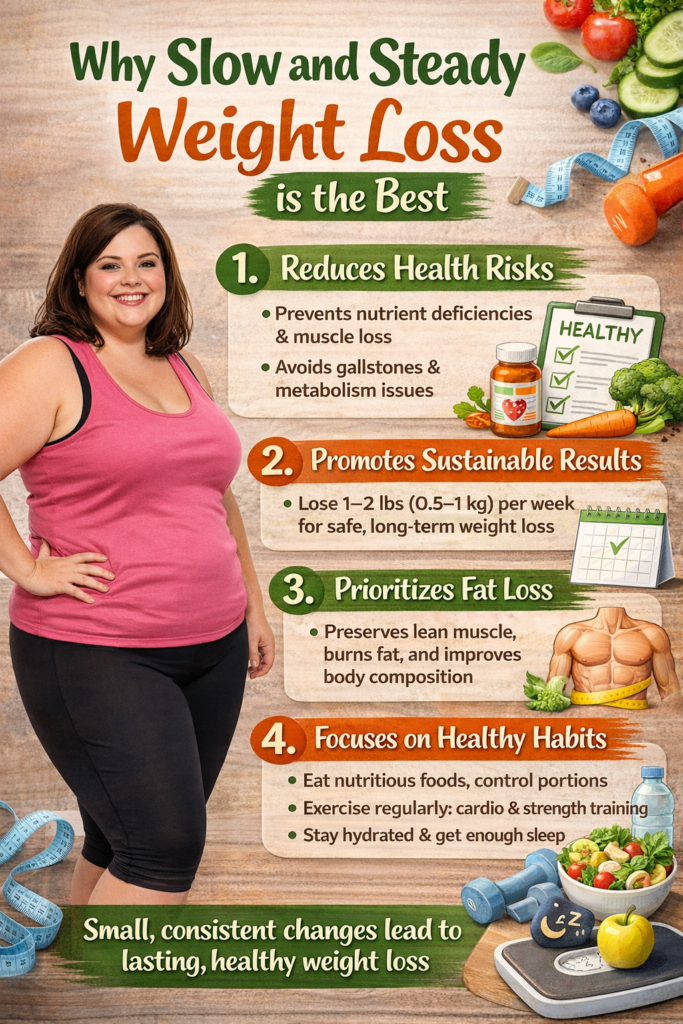
Losing weight fast may seem motivating, but rapid changes are rarely sustainable. Quick results often come from water loss or extreme restriction rather than true fat loss.
Sustainable weight loss focuses on habits that can be maintained long term. Slower progress allows the body to adapt while preserving muscle mass and supporting metabolic health.
Rapid loss followed by regain is a common pattern that creates frustration and discouragement.
A Slow Metabolism Prevents Weight Loss
Metabolism and weight loss are frequently misunderstood. While metabolic rate varies slightly between individuals, it rarely prevents progress entirely.
Factors such as muscle mass, activity level, sleep quality, and consistency have a greater impact than genetics alone. Strength training, adequate protein intake, and regular movement support metabolic function more effectively than extreme dieting.
What Actually Works for Healthy, Sustainable Weight Loss
Successful weight management relies on realistic strategies rather than shortcuts. Healthy weight loss comes from consistent routines, flexible food choices, and patience.
Building habits that fit personal preferences improves adherence. Sustainable approaches focus on long-term health, not temporary rules or rigid restrictions.
Frequently Asked Questions About Weight Loss
Why do people hit a weight loss plateau?
A weight loss plateau often occurs when the body adapts to a new intake level or routine. Adjusting activity, portions, or expectations usually restores progress.
Are fat-burning myths harmful?
Fat-burning myths can lead to unrealistic expectations and unhealthy behaviors. They often distract from evidence-based strategies that actually work.
How long does healthy weight loss take?
Healthy weight loss varies by individual, but gradual progress tends to be more maintainable and protective of overall health.